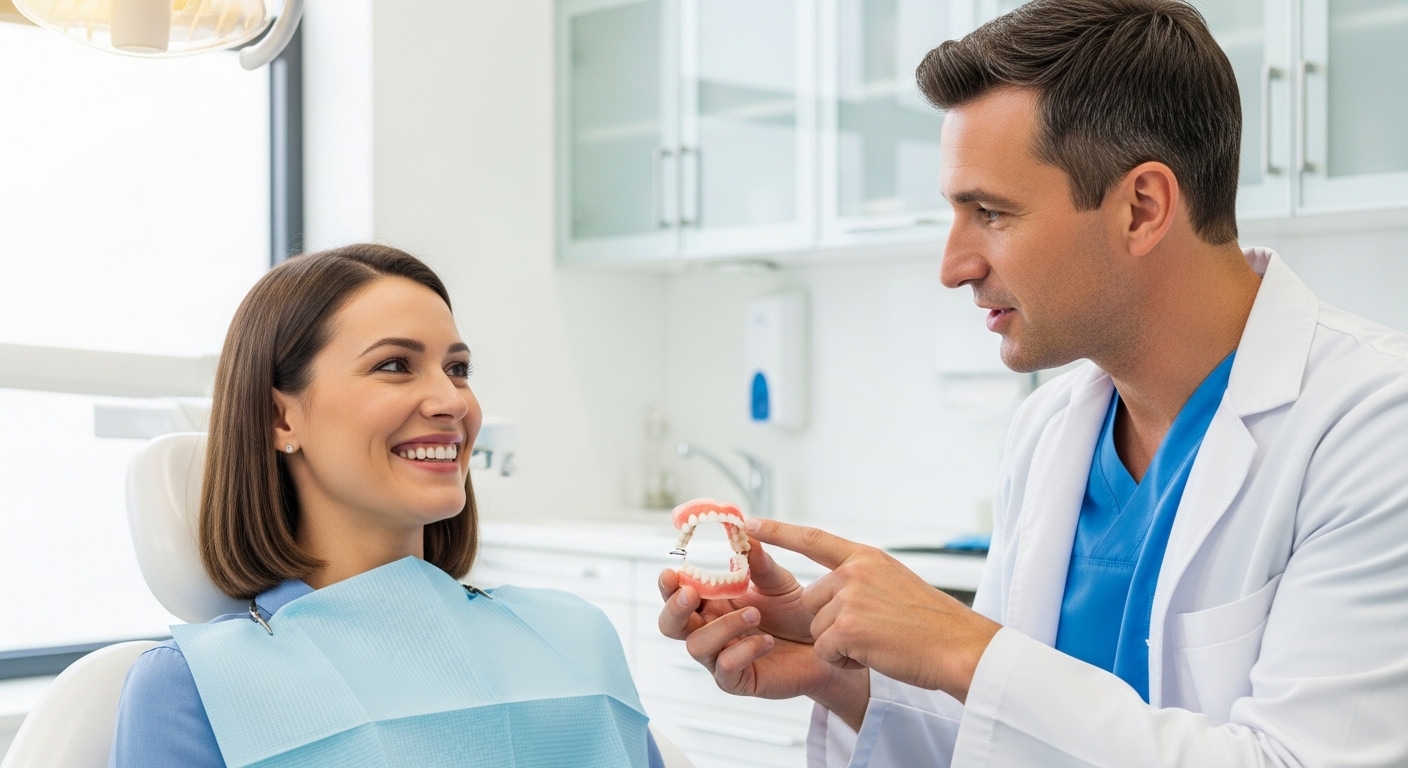
Flexible dentures are changing the way people experience tooth replacement by offering a softer, more adaptive, and surprisingly natural-feeling solution for missing teeth. Flexible dentures start making a difference from the very first fitting because they are designed to move with your mouth instead of resisting it. Unlike rigid traditional dentures, they reduce pressure points, improve comfort, and create a more secure everyday experience that feels less like wearing an appliance and more like regaining part of your natural smile.
Flexible dentures have become especially popular among people who struggle with soreness, loose fittings, or embarrassment caused by visible metal clasps in conventional options. This modern alternative focuses on comfort, aesthetics, and flexibility, making it easier to speak, eat, and smile without hesitation. As dental technology continues to evolve, flexible dentures are now seen as a practical and confidence-boosting choice for partial tooth loss.
Table of Contents
ToggleA softer approach to tooth replacement that changes everything
Flexible dentures stand out because they use a different philosophy compared to traditional acrylic or metal-based dentures. Instead of relying on hard pressure against the gums, they adapt gently to the shape of the mouth. This creates a cushioning effect that reduces irritation and improves overall wearability.
One of the most noticeable changes users report is the absence of sharp pressure points. Many people who previously avoided dentures due to discomfort find that flexible designs feel far more forgiving. They also blend more naturally with gum color, making them less noticeable in everyday conversations or photos.
If you’re exploring related restorative options, internal resources like partial denture solutions or modern tooth replacement options can help you compare alternatives before making a decision.
Why comfort becomes a game changer with flexible dentures
Comfort is the strongest reason people switch to flexible dentures. The material used in these dentures adapts continuously to jaw movement, reducing friction during speaking and chewing. This adaptability allows the denture to sit more naturally, even as the mouth changes shape throughout the day.
People who suffer from gum sensitivity or bone loss often find traditional dentures too rigid. Flexible dentures reduce that problem by distributing pressure more evenly across the gums. This leads to fewer sore spots and a more stable daily experience.
Another key advantage is their lightweight feel. Many users forget they are even wearing them after a short adjustment period. This psychological comfort plays a big role in improving confidence during social interactions.
Who benefits most from flexible dentures
Flexible dentures are not a one-size-fits-all solution, but they are especially helpful for specific groups of people.
They are often ideal for individuals who:
- Have partial tooth loss and want a discreet replacement
- Experience discomfort with rigid dentures
- Have irregular gum shapes or sensitive oral tissues
- Prefer a metal-free aesthetic appearance
- Need a lightweight and adaptable dental solution
Younger adults who lose teeth due to injury or decay also tend to prefer flexible dentures because they offer a more natural appearance compared to traditional visible clasps. Seniors who struggle with long-term denture wear also appreciate the comfort-focused design.
The materials behind the flexibility and natural feel
Flexible dentures are typically made from thermoplastic materials such as nylon-based resins. These materials are engineered to bend slightly under pressure without breaking, which is what gives them their signature adaptability.
Unlike acrylic dentures, which can feel rigid and heavy, thermoplastic materials allow a subtle movement that mirrors natural gum behavior. This also reduces the risk of fractures if the denture is accidentally dropped.
The gum-colored base is another important feature. It helps the denture blend seamlessly with natural oral tissues, making it far less noticeable than metal-clasp alternatives. This improves aesthetics significantly, especially in the front of the mouth.
Flexible dentures vs traditional dentures: a real-world comparison

Choosing between flexible and traditional dentures often comes down to lifestyle and comfort preferences. While both options restore missing teeth, the experience they provide can feel very different.
Traditional dentures rely on a hard acrylic base and often require metal clasps for retention. They are durable but can feel rigid and may cause irritation over time. Flexible dentures, on the other hand, prioritize adaptability and comfort, making them more forgiving during daily use.
In practical terms, flexible dentures offer:
- A softer fit that reduces gum irritation
- Better aesthetics with gum-matching materials
- Improved comfort during long wear periods
- Less visible hardware in the mouth
However, traditional dentures may still be preferred in cases where full-mouth replacement or maximum structural rigidity is required. A dental professional typically evaluates bone structure and oral health before recommending the best option.
Everyday care that keeps flexible dentures performing well
Maintaining flexible dentures is simpler than many people expect, but it still requires consistency. Proper care ensures they remain comfortable, odor-free, and visually appealing over time.
Daily cleaning with a soft brush and non-abrasive cleanser helps remove food particles and plaque buildup. Soaking them overnight in a recommended denture solution keeps the material fresh and prevents drying.
It is also important to avoid hot water, as excessive heat can distort the flexible material. Gentle handling during removal and insertion further extends their lifespan.
Regular dental checkups help ensure the fit remains accurate, especially since natural gum and bone structures can change gradually over time.
Common concerns people have before choosing flexible dentures
Many people hesitate before choosing flexible dentures because they have questions about durability, staining, and long-term performance.
One common concern is whether flexible materials last as long as traditional dentures. While they are highly durable under normal use, they may require replacement slightly sooner than rigid acrylic versions depending on care habits.
Another concern is staining. Flexible dentures can absorb pigments from coffee, tea, and smoking if not cleaned properly. However, consistent maintenance significantly reduces this risk.
Some users also worry about adjustment periods. While most people adapt quickly, a short learning phase is normal as the mouth gets used to the new sensation.
Overall, these concerns are manageable with proper guidance and routine care, making flexible dentures a reliable long-term option for many users.
Cost considerations and long-term value
Flexible dentures generally fall into a mid-to-high price range compared to traditional options. The cost reflects the advanced materials and enhanced comfort they provide.
While the initial investment may be higher, many users find value in reduced irritation, better aesthetics, and improved daily comfort. Fewer adjustments and fewer discomfort-related visits can also contribute to long-term savings.
When evaluating cost, it is important to consider not just price but also lifestyle impact. Comfort, confidence, and usability often matter more than upfront expense for most patients.
Dentists often recommend discussing full treatment plans, including potential future adjustments, to understand the overall value more clearly.
Conclusion
Flexible dentures bring together comfort, aesthetics, and adaptability in a way that traditional options often struggle to match. They support natural movement, reduce irritation, and help people regain confidence in everyday interactions without feeling restricted by their dental appliances. For anyone seeking a balance between practicality and appearance, they offer a modern solution that fits seamlessly into daily life while restoring the simple joy of smiling without hesitation.
Frequently asked questions
1. Are flexible dentures comfortable for daily wear?
Yes, flexible dentures are designed for all-day wear. Their adaptive material reduces pressure on gums, making them more comfortable than many traditional alternatives.
2. Do flexible dentures look natural in the mouth?
They offer a very natural appearance because the base is gum-colored and there are no visible metal clasps. This makes them especially popular for front-tooth replacements.
3. How long do flexible dentures typically last?
With proper care, flexible dentures can last several years. Their lifespan depends on oral hygiene, usage habits, and regular dental checkups.
4. Can I eat normally with flexible dentures?
Yes, most users can eat comfortably once they adjust. Softer foods are recommended initially, but normal eating habits can usually be resumed soon after.
5. Do flexible dentures require special cleaning products?
They should be cleaned with non-abrasive denture cleaners. Harsh chemicals and hot water should be avoided to protect the material’s flexibility.
6. Are flexible dentures suitable for everyone?
They are ideal for many partial denture users, but not all cases qualify. A dental professional evaluates oral health and bite structure before recommending them.


