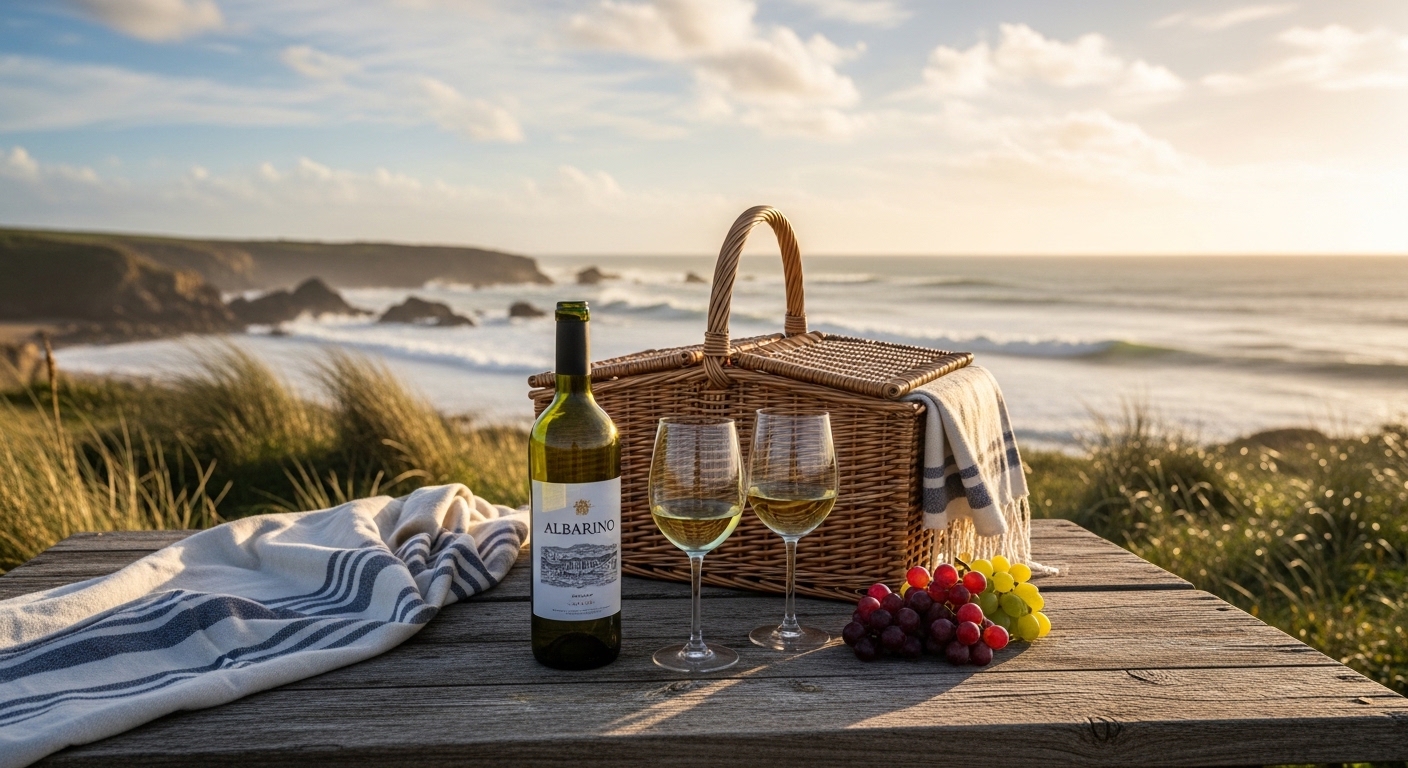
Albarino wine instantly captures attention with its vibrant freshness, coastal charm, and expressive fruit character that feels like a breeze from the Atlantic. Albarino wine has earned its reputation as one of the most exciting white wines in the world, known for delivering a perfect balance between bright acidity, aromatic intensity, and a clean mineral finish. From the first sip, it feels lively and uplifting, making it a favorite for warm days, seafood pairings, and elegant casual drinking. Its origin in Spain’s Rías Baixas region gives it a strong identity shaped by ocean winds, granite soils, and a long winemaking tradition that values purity over excess. This is not just another white wine; it is a sensory experience that reflects place, climate, and craftsmanship in every glass.
Table of Contents
ToggleA coastal origin that shapes its identity
Albarino wine comes primarily from the Galicia region in northwestern Spain, especially the Rías Baixas appellation. This area sits close to the Atlantic Ocean, where humidity, rainfall, and cool breezes define the growing conditions. These environmental factors play a powerful role in shaping the wine’s signature style.
Grapes grown here develop thick skins to resist moisture, which contributes to the wine’s naturally high acidity and aromatic concentration. Unlike heavier white wines from warmer regions, Albarino maintains a crisp and energetic profile that feels almost electric on the palate. Many wine enthusiasts compare its coastal essence to tasting sea air blended with citrus fruit.
Portugal also produces a similar grape called Alvarinho in the Vinho Verde region, where it often appears slightly lighter but equally refreshing. Both styles share a common thread: a vibrant, ocean-influenced personality that stands apart from most global white wines.
If you’re exploring Spanish wines further, you may want to internally link this section to content about Spanish white wine regions or Atlantic-influenced wines for deeper context.
Flavor profile that feels alive in the glass
Albarino wine is celebrated for its expressive and layered flavor profile. It delivers a combination of fruit, floral, and mineral notes that evolve as the wine opens up.
On the nose, you often notice aromas of peach, apricot, green apple, and citrus zest. These fruit tones are frequently accompanied by floral hints such as orange blossom or jasmine. A subtle saline edge often appears, reminding you of its coastal origin.
On the palate, Albarino feels crisp and juicy with a refreshing acidity that lifts every flavor. The texture is smooth but not heavy, making it incredibly drinkable. Common tasting impressions include lemon, pear, nectarine, and occasionally a touch of almond on the finish.
What makes it especially interesting is its mineral backbone. That slight saltiness or stony edge gives the wine structure and depth, preventing it from feeling overly fruity. The finish is typically clean, zesty, and refreshing, often encouraging another sip almost immediately.
Why Albarino wine stands out among white wines
In a world filled with popular white wines like Sauvignon Blanc, Pinot Grigio, and Chardonnay, Albarino holds a unique position. It blends the aromatic brightness of Sauvignon Blanc with the smooth texture of Pinot Grigio, yet it maintains a distinct identity that feels more coastal and less tropical.
One of its biggest strengths is balance. It never leans too sweet or too sharp. Instead, it finds a middle ground that appeals to both casual drinkers and experienced wine lovers. The acidity keeps it refreshing, while the fruit profile ensures it remains approachable.
Another defining quality is its consistency across vintages. Even in challenging weather conditions, Albarino tends to maintain its freshness and aromatic clarity. This reliability has helped it grow in popularity across international markets, especially in the United States, the United Kingdom, and parts of Asia.
The perfect food companion for coastal cuisine
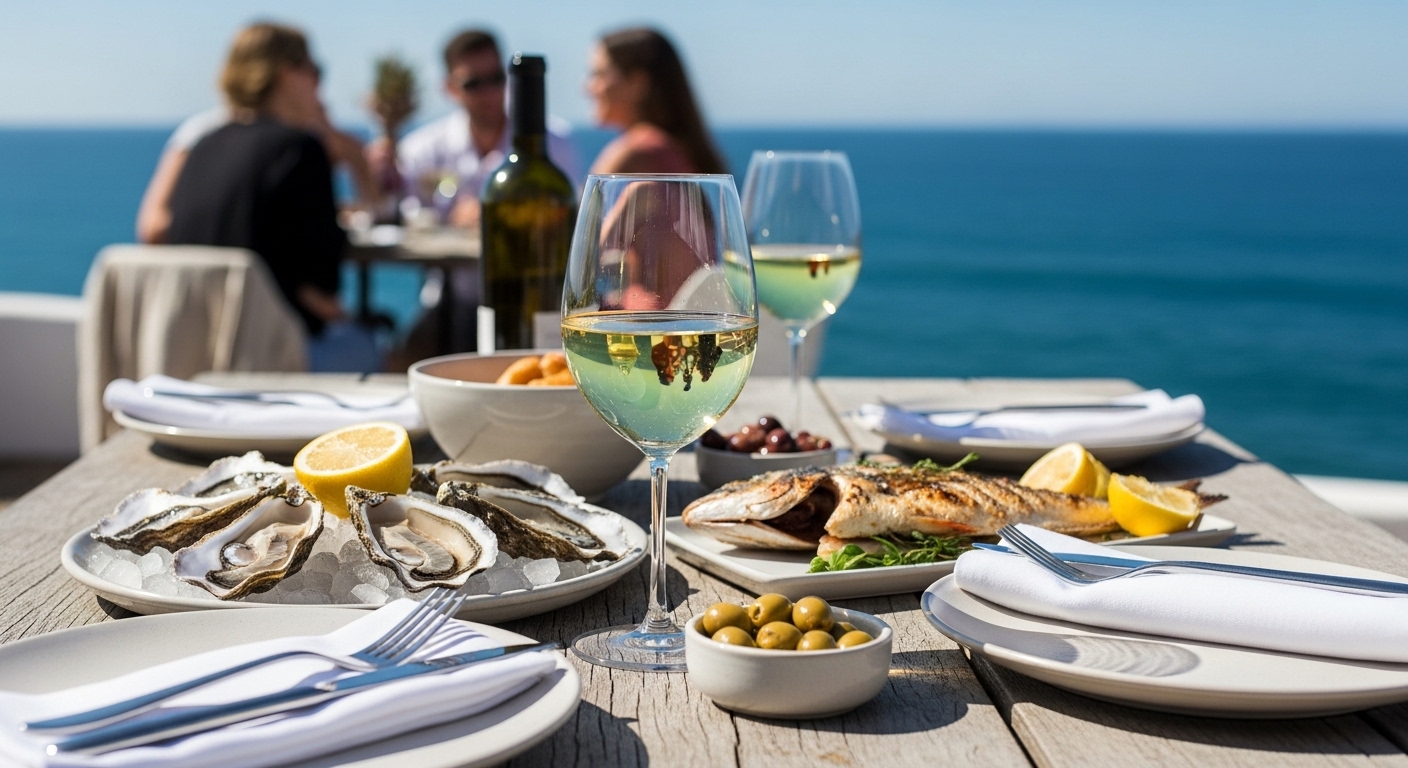
Albarino wine is often described as a natural partner for seafood, and this reputation is well deserved. Its acidity and saline character make it a perfect match for dishes that come from the ocean.
Grilled fish, shrimp, oysters, mussels, and ceviche all pair beautifully with its bright profile. The wine cuts through richness while enhancing delicate flavors, creating a balanced dining experience.
Beyond seafood, Albarino also works well with light poultry dishes, citrus-based salads, and fresh cheeses like goat cheese or ricotta. Its versatility allows it to move effortlessly between casual meals and more refined dining settings.
In Spain, it is commonly enjoyed with traditional Galician dishes such as pulpo a la gallega (octopus with paprika and olive oil), where its acidity complements the smoky and savory flavors.
If you are building internal links for a food pairing article cluster, this section could connect naturally to seafood pairing guides or Mediterranean cuisine content.
Texture, aging, and evolving complexity
While many Albarino wines are meant to be enjoyed young, some premium expressions are capable of short-term aging. With time, the wine develops additional layers of complexity, including honeyed notes, dried fruit tones, and a richer mouthfeel.
Oak aging is not common but is occasionally used by select producers to add texture and depth. When applied lightly, it introduces subtle vanilla or toast notes without overpowering the wine’s natural freshness.
However, the true beauty of Albarino lies in its youthful vibrancy. Most bottles are crafted to highlight immediate freshness rather than long-term evolution. This makes it a wine that rewards early consumption, ideally within two to three years of release.
How climate and soil shape its character
The personality of Albarino wine is deeply tied to its terroir. Granite-rich soils in Galicia contribute to its mineral-driven finish, while the Atlantic climate ensures high acidity and aromatic intensity.
Frequent rainfall forces the vines to work harder, resulting in grapes with concentrated flavors. Meanwhile, cool temperatures slow down ripening, allowing the grapes to preserve their natural freshness.
This combination of soil and climate creates a wine that feels precise and focused rather than heavy or overly ripe. It reflects a winemaking philosophy centered on balance and expression rather than manipulation.
Growing global popularity and modern appeal
Over the last decade, Albarino wine has gained significant international recognition. Wine drinkers who once defaulted to Sauvignon Blanc or Chardonnay are increasingly exploring Albarino for its refreshing difference.
Restaurants and wine bars now feature it more frequently by the glass, especially in coastal cities and modern dining spaces. Its approachable style makes it appealing to both newcomers and seasoned enthusiasts.
Wineries outside Spain, including producers in California, Australia, and South America, have also started experimenting with Albarino. While Spanish versions remain the benchmark, these global interpretations add diversity to the category and expand its reach.
Serving temperature and enjoyment style
Albarino wine is best enjoyed well-chilled, typically between 8°C and 10°C. This temperature enhances its crispness and highlights its citrus-driven profile.
It is often served in a standard white wine glass, allowing the aromas to open while preserving its refreshing character. Swirling the glass gently reveals layers of fruit and floral notes that evolve with time.
This wine is ideal for relaxed social settings, outdoor dining, or quiet evenings where freshness and simplicity take center stage.
Conclusion
Albarino wine delivers more than refreshment; it delivers a sense of place shaped by ocean winds, rugged landscapes, and centuries of winemaking tradition. Every glass feels bright, elegant, and alive, offering a rare combination of simplicity and depth. Whether enjoyed with fresh seafood by the coast or sipped casually on a warm afternoon, it consistently brings clarity and pleasure to the table. Its growing global appeal is no surprise, as it continues to redefine what a truly refreshing white wine can be.
FAQs
1. What does Albarino wine taste like?
Albarino wine tastes fresh and vibrant with notes of citrus, peach, green apple, and subtle floral hints. It often carries a slight saline or mineral edge that reflects its coastal origin, giving it a clean and refreshing finish.
2. Is Albarino wine sweet or dry?
Albarino wine is typically dry. While it has fruity aromas, the palate remains crisp and refreshing due to its high acidity, making it far from a sweet wine.
3. What food pairs best with Albarino wine?
Seafood is the classic pairing for Albarino wine. It works exceptionally well with oysters, shrimp, grilled fish, and ceviche. It also pairs nicely with light salads, poultry, and soft cheeses.
4. Where does Albarino wine come from?
Albarino wine originates mainly from the Rías Baixas region in Galicia, Spain. It is also grown in northern Portugal, where it is known as Alvarinho.
5. Can Albarino wine be aged?
Most Albarino wines are meant to be enjoyed young to preserve their freshness. However, some higher-quality bottles can develop additional complexity over two to five years.
6. Is Albarino similar to Sauvignon Blanc?
Albarino and Sauvignon Blanc share a crisp and aromatic style, but Albarino tends to feel smoother and slightly more mineral-driven, with a softer citrus profile and less herbaceous intensity.


