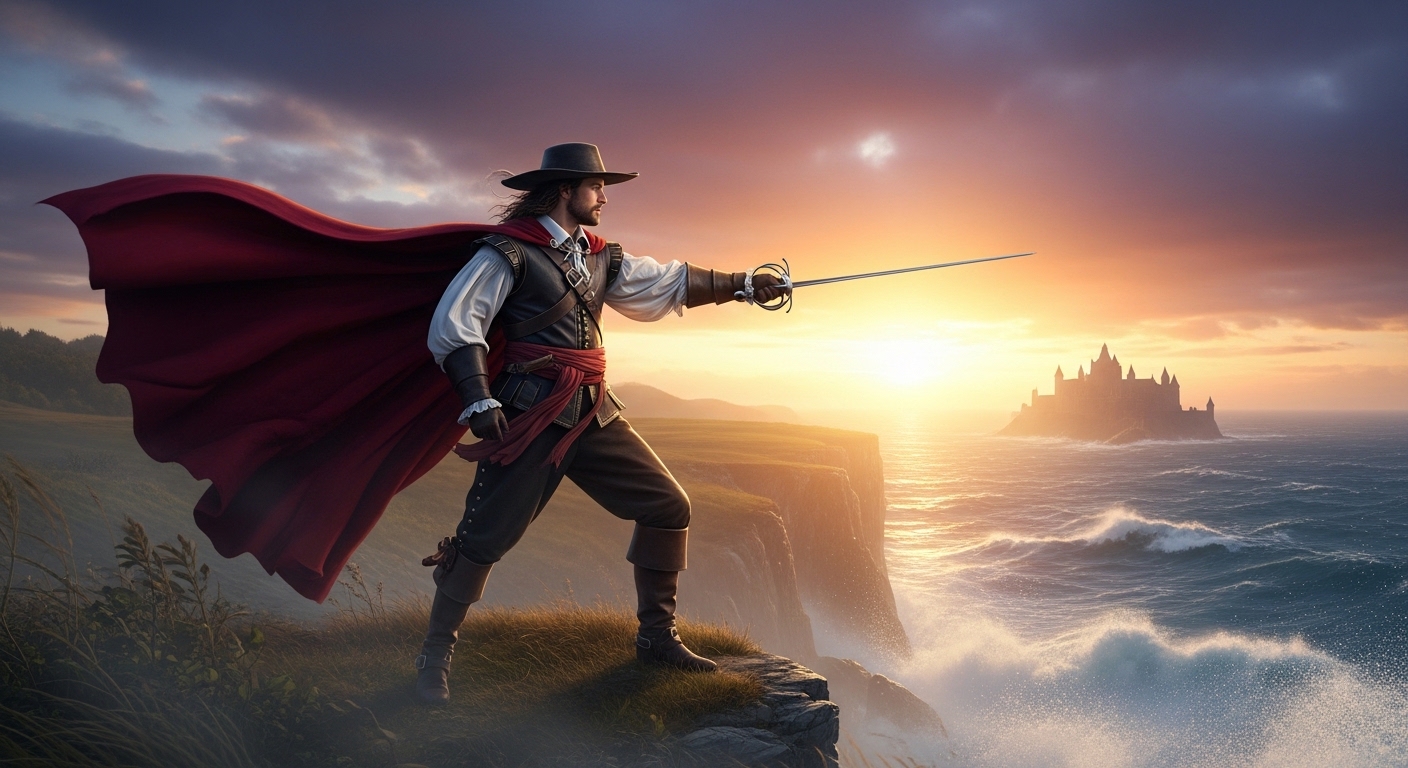
Few archetypes in storytelling capture the imagination like the swashbuckler. With a sword in hand and a daring spirit, these heroes navigate dangerous adventures, uphold honor, and charm audiences across centuries. From Renaissance Europe to modern cinema and video games, the embodies courage, cleverness, and flair.
This guide explores the swashbuckler’s origins, literary and cinematic depictions, defining traits, and lasting cultural impact. Whether you are a literature lover, film enthusiast, or history buff, you will gain a full understanding of this timeless figure.
The Origins of the Swashbuckler
The term “swashbuckler” combines swash, meaning to clash or swagger with a sword, and buckler, a small shield. Early references describe flamboyant swordsmen whose bravado was as notable as their skill. These daring figures were often soldiers, mercenaries, or minor nobles who thrived in the dueling culture of Renaissance Europe.
Historical Context
From the 16th to 17th centuries, dueling and swordsmanship were key markers of status and honor. Swashbucklers were admired for their courage, skill, and ingenuity. They moved fluidly between courts, battlefields, and taverns, creating legends through heroic deeds and dramatic escapes.
Swashbucklers in Literature
Swashbucklers have long been celebrated in literature. Romantic adventure novels of the 17th and 18th centuries popularized the archetype:
-
D’Artagnan in The Three Musketeers by Alexandre Dumas exemplifies bravery, cleverness, and loyalty.
-
Captain Blood by Rafael Sabatini blends pirate adventure with moral integrity, showcasing the swashbuckler’s charm and daring.
These stories established the swashbuckler as a character who balances heroism, intelligence, and excitement.
Traits in Literature
Common traits of literary swashbucklers include:
-
Mastery of Swordsmanship Precision and skill define their combat.
-
Charisma and Wit Cleverness and humor allow them to outsmart enemies.
-
Courage A willingness to face danger boldly.
-
Adventurous Spirit Constantly seeking new challenges and quests.
-
Sense of Justice Even rebellious figures maintain a moral code.
Characteristics of a Swashbuckler
A swashbuckler is defined by their fearless approach to danger. Whether facing a rival swordsman in a duel, storming a fortress, or rescuing someone from imminent peril, they confront threats head-on. This courage inspires allies to follow them and often intimidates enemies before a single blow is struck. Bravery is not just physical; swashbucklers also demonstrate moral courage, standing up for justice even when the odds are against them.
Cleverness and Wit
Physical skill alone does not make a swashbuckler legendary—their mind must be just as sharp as their blade. Quick thinking allows them to escape traps, outmaneuver opponents, and turn perilous situations into opportunities. Clever dialogue, strategic planning, and improvisation are all hallmarks of the making them as dangerous intellectually as they are in combat.
Physical Skill
A swashbuckler’s body is a weapon as much as their sword. Agility, acrobatics, and precise swordsmanship define their movements. Whether leaping across rooftops, vaulting over obstacles, or performing intricate swordplay, every motion combines grace with efficiency. Even in combat, a makes their actions look almost artful, as if danger and elegance are intertwined.
Moral Integrity
Despite their often rebellious or roguish nature, a true swashbuckler lives by a personal code of honor. They protect the innocent, fight corruption, and uphold justice—even when doing so complicates their own goals or safety. Their sense of right and wrong is unwavering, making them heroes who are admired not just for skill and daring, but also for their ethical principles.
Charm and Charisma
A swashbuckler wins battles with more than just a sword. Humor, confidence, and magnetic charm allow them to gain allies, disarm opponents, and navigate tense situations with ease. Their charisma often turns potential adversaries into friends and transforms dangerous circumstances into opportunities for negotiation, distraction, or clever maneuvering.
Swashbucklers in Popular Culture
Stage adaptations of swashbuckler tales have long captivated audiences with their combination of drama, action, and charisma. Live performances emphasize carefully choreographed sword fights, daring acrobatics, and suspenseful escapes. Swashbucklers’ charm and wit are often highlighted through dialogue and theatrical flair, making them larger-than-life characters on stage. Productions of classics like The Three Musketeers or adaptations of Zorro bring the swashbuckler’s adventurous spirit to life, allowing audiences to experience the excitement of heroism firsthand.
Video Games
Modern gaming has embraced the swashbuckler archetype in creative and immersive ways. Players can step into the boots of like characters, exploring vast landscapes, engaging in thrilling duels, and performing acrobatic feats. Titles such as Assassin’s Creed, Sea of Thieves, and Pirates of the Caribbean allow players to embody the agility, cleverness, and adventurous spirit. Video games add an interactive dimension, enabling players to experience both the excitement and moral choices that define the swashbuckler’s life.
Comics and Animation
Swashbuckler-inspired heroes are also prominent in comics and animated series. These characters often face moral dilemmas, take daring risks, and navigate adventurous worlds with wit and skill. From graphic novels like Prince Valiant to animated adaptations of Zorro, the swashbuckler’s swordplay, charm, and daring exploits are made accessible to younger audiences and comic enthusiasts. These mediums highlight both the action and the ethical heroism that make compelling, proving that the archetype continues to evolve while staying true to its adventurous roots.
Famous Swashbuckler Stories
Alexandre Dumas’ The Three Musketeers is perhaps the quintessential tale. The novel follows d’Artagnan, a young and ambitious swordsman, as he joins the elite Musketeers of the Guard. Throughout the story, d’Artagnan and his companions Athos, Porthos, and Aramis engage in duels, espionage, and daring rescues. Their clever strategies, loyalty to one another, and unwavering courage perfectly illustrate the qualities that define a swashbuckler. From dramatic sword fights to intricate plots against villains, the Musketeers embody the adventurous spirit and moral code that make the archetype timeless.
Captain Blood
Rafael Sabatini’s Captain Blood introduces one of literature’s most charming pirate heroes. Dr. Peter Blood, a skilled physician wrongfully accused of treason, transforms into a daring on the high seas. Combining audacious adventures with a strong sense of ethics, Captain Blood navigates political intrigue, naval battles, and personal rivalries. His courage, intelligence, and principled nature show that a swashbuckler is not just defined by skill with a sword, but also by honor and moral integrity even in a lawless environment.
Zorro
Zorro, the masked vigilante created by Johnston McCulley, has become an iconic figure of swashbucklr heroism. Donning a black mask and wielding a rapier, Zorro fights to protect the oppressed and punish the corrupt in Spanish California. His combination of daring swordplay, theatrical flair, and a strict moral code highlights the core traits of a Zorro’s clever tricks, disguises, and showmanship demonstrate that heroism can be both stylish and principled, blending action with justice in a way that has captivated audiences for generations.
The Swashbuckler Archetype in Modern Media
Swashbucklrs adapt seamlessly to contemporary and fantastical worlds:
-
Films like Pirates of the Caribbean keep the archetype alive for modern audiences.
-
Video games such as Assassin’s Creed allow players to embody swashbucklr traits interactively.
-
Animated and comic adaptations preserve charm, heroism, and cleverness, proving the archetype’s versatility.
Why Swashbucklers Remain Relevant
The swashbuckler endures because they represent courage, wit, and freedom. Their adventures inspire audiences to act boldly, think creatively, and uphold moral integrity. In a structured world, the embodies the thrill of independence and heroism.
Their stories continue to captivate because they combine action, clever problem-solving, and charm. provide both escapism and aspirational qualities that resonate across generations.
Conclusion
The swashbuckler is a timeless archetype that continues to capture imaginations. Combining bravery, cleverness, and charm, are heroes who navigate danger, intrigue, and adventure with style. From classic literature to modern films and interactive media, the influence is undeniable.
Their stories remind us that heroism is more than physical skill it requires wit, courage, moral integrity, and the audacity to act boldly. For centuries, the swashbucklr has symbolized the thrill of adventure and the enduring appeal of clever, courageous heroes.
Frequently Asked Questions
1. What is a swashbuckler?
A swashbuckler is a daring adventurer skilled in swordplay, clever in strategy, and heroic in nature. They combine courage, charm, and moral integrity.
2. Who are famous swashbucklrs in literature?
D’Artagnan (The Three Musketeers), Captain Blood, and Zorro are iconic examples, representing heroism, cleverness, and flair.
3. How did swashbucklrs influence cinema?
Swashbucklrs shaped adventure films, inspiring actors to perform stunts, duels, and charming performances that became genre standards.
4. Can swashbucklers exist in modern settings?
Yes. Modern films, games, and animation feature swashbucklr-like heroes who retain core traits: bravery, cleverness, and charisma.
5. Why do swashbucklrs appeal to audiences?
They symbolize freedom, heroism, and clever problem-solving, offering escapism and inspiration for courage and ethical behavior.